Marketing icon
The year of 1971 was at the height of the feminist movement era. This life changing era initiated the shift from male dominance to rationalising female dominance and their perspective (Verner, 2011). So you can see how this slogan blew up (literally) because it also represented the movement of female empowerment (Verner, 2011) – in other words, I will describe it as revolutionary. From there, the rich history of the iconic catchphrase has been promulgated by L’Oréal’s brand ambassadors (Verner, 2011) and to this day they represent the hub of feminism and diversity.
“This is a celebration of self-esteem and confidence and what we think beauty is” – L’Oréal’s global brand president, Cyril Chapuy.

As defined, classical conditioning has shown how an association, in L’Oréal’s case, with one stimulus (celebrities/brand ambassadors) can benefit another stimulus (slogan). The process of classical conditioning can help transfer positive association of the brand to create strong brand equity (Solomon et al., 2019). In addition, Spry et al. (2011) outlines that celebrity endorsements act as co-brand for the endorsed brand which generates a greater recall for both the brand and the advertisement as celebrities convey the product quality and uniqueness. Ultimately, this reduces the consumer uncertainty and encourages that product preference (Spry et al., 2011). This is where L’Oréal has been exceeding successful by initiating brand ambassadors (the likes of Jane Fonda, Lea Michelle and Julianne Moore – just to name a few!) to say the slogan “Because you’re worth it!” at the end of every advertisement. Thus, its influence is so high that it can evoke the conditioned response to the brand.

The use of the repetition by L’Oréal has allowed consumers to tap into the information-processing perspective of long-term memory. Long-term memory (LTM) is the system that allows us to retain information for a long period of time (Solomon et al., 2019). So how has L’Oréal achieved this? Well, to enter from short-term memory to long-term memory, there has to be some elaborative rehearsal (Solomon et al., 2019), and this can be simply achieved by catchy slogans, just like L’Oréal’s.
A catalyst for positivity
In this day and age, social media and its influencers (this includes marketers as well) play a major impact on individual’s self esteem. As we know, this is nothing new. In all honestly, how would you rate your self esteem? Umm… not very high?
Self concept is the belief a person holds about their own attributes and how they evaluate the self on these qualities (Solomon et al., 2019). These attributes include content, positivity, intensity, stability and accuracy (Solomon et al., 2019). Ultimately, self concept has evolved over time by psychological and social forces (Solomon et al., 2019).

One of the most important component of self concept is self-esteem and identity. Marketers have a major influence in overall self image that tiggers social comparison where individuals evaluate their own appearance to those that are derived in artificial images (Solomon et al., 2019). The cosmetic industry is largely involved with the ideal self-concept and the use of attractive endorsers to match the brand image (Kim et al., 2013). I guarantee you can’t even think of a brand that doesn’t have ambassadors. Another important of self concept I want to touch base on is identity. This can refer to gender identity, as generations are evolving, the stereotypical gender statuses or sex roles are drastically changing.
As previously discussed, social comparison plays a major role on society, especially adolescents as it is highly influential. This is due to conformity for social acceptance and gaining and maintaining friendships, which has resulted in reduced self esteem (Isaksen et al., 2012). Tiggemann et al., (2018) suggests that the upwards social comparison leads to a decrease of perceived self worth and body satisfaction. Overall, the research places emphasis that acute exposure to social media to idealised figures has a detrimental impact on body image (Tiggemann et al., 2018). As a result, L’Oréal has used its global platform to focus on positive body image.
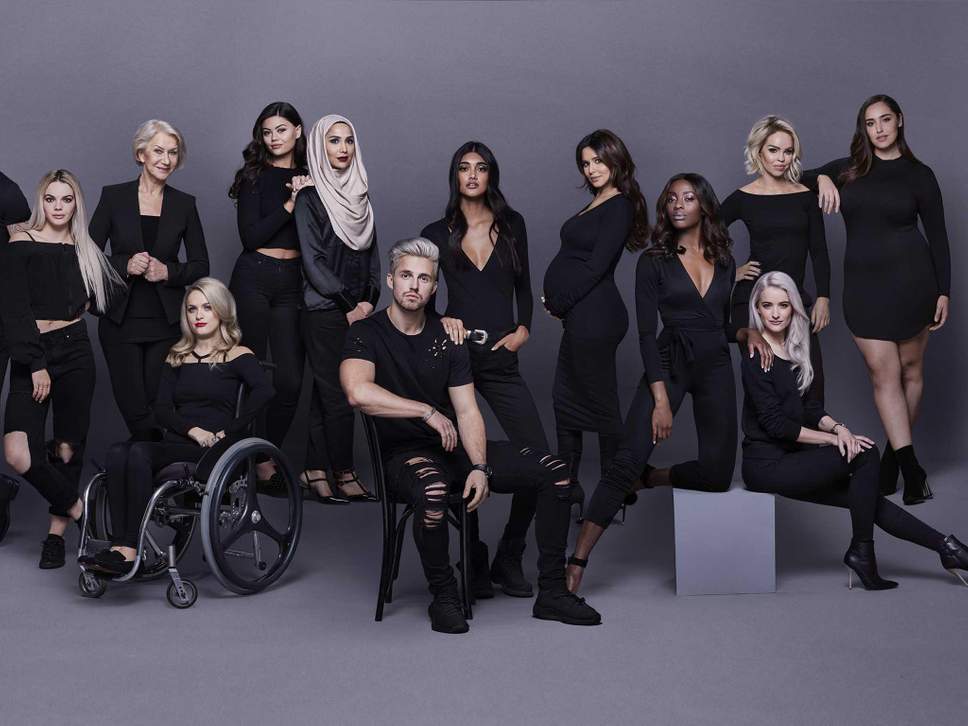
L’Oréal launched a programme with The Prince’s Trust called “All Worth It”. The programme is designed to help 10,000 young individuals turn ‘self-doubt’ to ‘self worth’. The programme is also initiated by its ambassadors that include Helen Mirren and Cheryl Cole to share their own personal stories of self-doubt (Roderick, 2017). This motion positioned itself in the market for comfort to increase individual’s self esteem, self confidence and body image. L’Oréal has used reverse psychology that is typically approached by marketers from highlighting ideal self to actual self, to make consumers feel more powerful which makes them spend more money on themselves (Rucker et al., 2010).

“L’Oréal Paris is the number one beauty brand… we needed to have a bigger purpose than selling product and give back to communities.” – L’Oréal’s UK general manager, Adrien Koskas.
This was not the only campaign to break marketing boundaries (literally). L’Oréal UK launched a campaign for its True Match foundation. The campaign embraced inclusivity and diversity the beauty world has to offer. One of those 23 stories included a male makeup artist and blogger for the first time ever! This is the recognition of cracking gender stereotypes by endorsing a male as part of their makeup campaign. This motion provides a deeper connection through the evolution of its iconic phrase “because we’re worth it” to “because we are all worth it”, to promote gender diversity (Roderick, 2017).
A global endorser
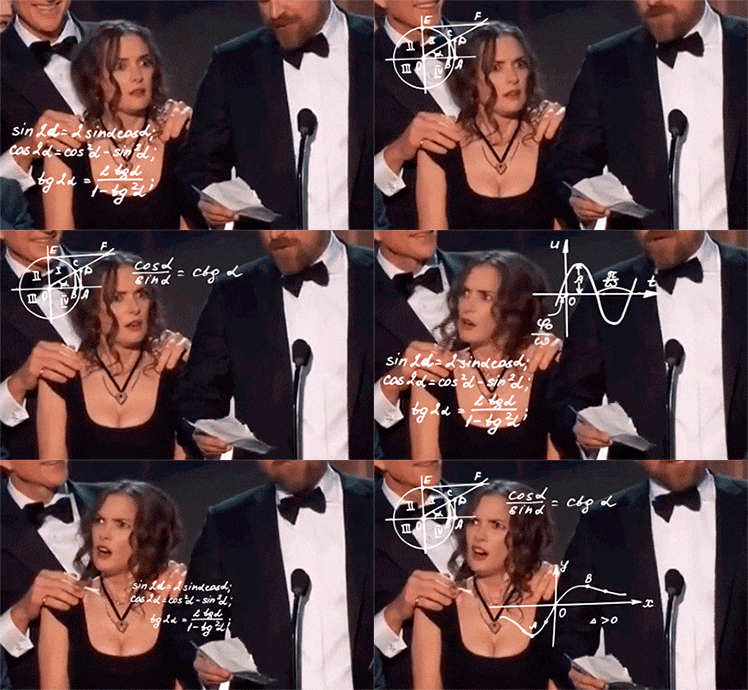
Have you ever felt when you have brought something and after going home, you then say to yourself, “did I really need this?” or “maybe I should’ve brought the other one”. Well, as my family and friends know, this happens to me all the time. I mean 90% of the time. This is called cognitive dissonance.
According to Solomon (et al., 2019), cognitive dissonance is when a person is confronted by inconsistencies between their attitudes, hence, take some action to resolve this ‘dissonance’. Within this, there are many theories that fall under it, however, I am going to focus on the balance theory, in relation to my brand, L’Oréal. The balance theory is when consumers need to maintain the relationship between self-perception, attitudes towards others and attitude to the object so that they are balanced. In the theory, it involves three elements: 1. a person or perception (either positive or negative), 2. attitude object and 3. some other person or object (Solomon et al., 2019).

Similarly, to the theory of classical conditioning where attitudes are formed, via use of celebrity endorsements and its catchy slogan. The balance theory proposes the association of a product to alter attitudes to promote a sense of belongingness as pointed by Maslow’s hierarchy of needs.
Min (et al., 2019) places emphasis on how individuals, “follow celebrities on social media who endorse products, they are more likely to pay attention because they tend to replicate looks of celebrities they admire for their identity development, … as these consumers selectively choose which values and celebrity behaviours that they admire to integrate into their own lives.” This also expands further to beauty bloggers as well, due their profound influence on the consumers buying behaviour. Chaovalit (2014), recognised that influence is exerted through trustworthiness, expertise, persuasive capabilities and attractiveness. This is crucial to note as customers and beauty bloggers share similar characteristics which makes them authenticity relatable and credible (Bianchi, 2016). In the past L’Oréal, have utilised their influence in its campaigns, like the True match Foundation campaign.
Furthermore, L’Oréal have used their prestige brand image for creating awareness as a cause to gain more benefits such as campaigns on social awareness and environmental impact. These positive associations help L’Oréal create a balanced relationship between the consumers and its attitudes.
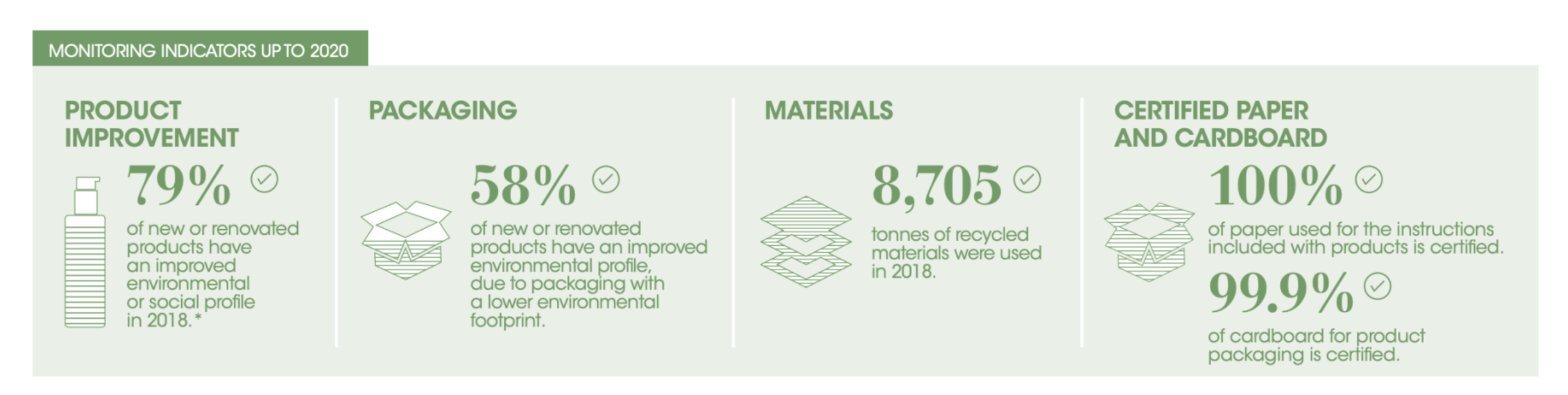
In 2013, L’Oréal launched a campaign called ‘Sharing Beauty With All’. This is was initiated to advance sustainable practices across all aspects of the business, from sourcing to manufacturing to packaging (Anzilotti, 2017). Moreover, the company is looking at becoming “carbon-balanced” by reducing emissions to renewable energy. This contributes to using raw materials and other materials that are certified, recycling product packaging and product improvements on environmental and social profiles.
References:
Solomon, Michael., Russell-Bennett, R. and Previte, J. (2019) Consumer Behaviour, Australian Edition, 4th Ed., Pearson.
https://www.creativereview.co.uk/because-im-worth-it-loreal/
https://www.marketingweek.com/2017/03/01/loreal-power-diversity/
Spry, A., Pappu, R. and Bettina Cornwell, T. (2011). Celebrity endorsement, brand credibility and brand equity. European Journal of Marketing, 45(6), pp.882-909.
Kim, J., Han, W., Kim, D. and Paramita, W. (2013). Is beauty in the eye of the beholder? Gender and beauty in the cosmetics sector. Marketing Intelligence & Planning, 31(2), pp.127-140
Tiggemann, M., Hayden, S., Brown, Z. and Veldhuis, J., 2018. The effect of Instagram “likes” on women’s social comparison and body dissatisfaction. Body image, 26, pp.90-97.
Isaksen, K.J. and Roper, S., 2012. The Commodification of Self‐Esteem: Branding and British Teenagers. Psychology & Marketing, 29(3), pp.117-135.
Rucker, D.D., Dubois, D. and Galinsky, A.D., 2010. Generous paupers and stingy princes: Power drives consumer spending on self versus others. Journal of Consumer Research, 37(6), pp.1015-1029.
https://www.fastcompany.com/3069080/how-loreal-is-turning-itself-into-a-sustainability-leader
Min, J., Chang, H., Jai, T. and Ziegler, M. (2019). The effects of celebrity-brand congruence and publicity on consumer attitudes and buying behavior. Fashion and Textiles, [online] 6(1).
Chaovalit, P., 2014. Factors Influencing Cosmetics Purchase Intention in Thailand: A Study on the Relationship of Credibility and Reputation with in Persuasive Capabilities of Beauty Bloggers. AU-GSB e-JOURNAL, 7(1).
 Welcome